








How Uzbekistan’s EduImkon Programme Will Support Women and Low‑Income Students with Tuition Loans
Uzbekistan Education Reform 2025 Strengthens Student Loan System for 600,000 Young People
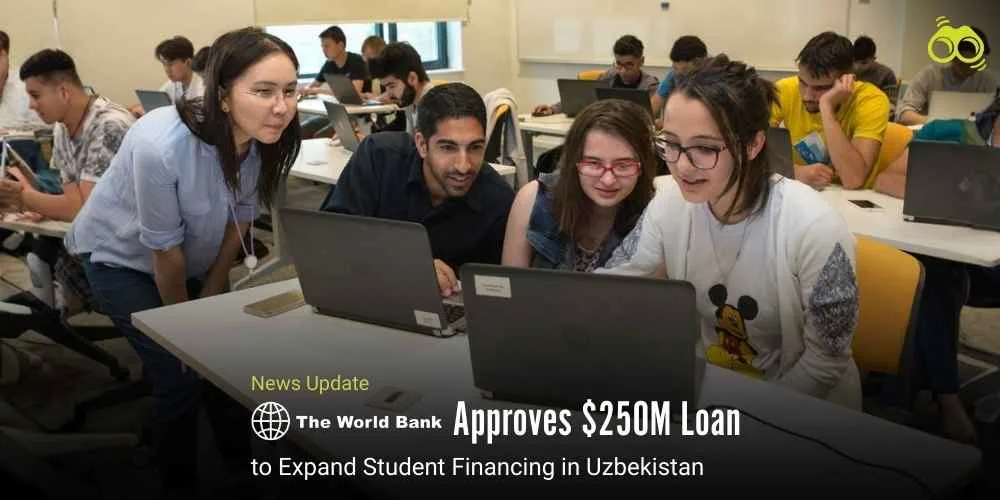
The World Bank had approved a $250 million loan to Uzbekistan, which was announced officially in Washington on 11 December. The financing will contribute to the EduImkon Program Uzbekistan 2026–2028, which is designed to increase equitable access to student financing in higher education and TVET. The project is part of a broader reform of the Uzbekistan student financing system, ensuring that more young people - particularly females and those from low-income families - have the opportunity for advanced study and career options.
Officials described that during the three following years, the program would enhance the reform of the system of financing students in Uzbekistan and extend tuition loans to about 600,000 young people. It was made clear that about 80% of the funds were to be allocated to low‑income student loans in Uzbekistan, with a particular emphasis on women.
Increased demand for higher education
Analysts pointed out that Uzbekistan has a large youth population between 14 and 30 years, estimated to be 10 million. The government has put a premium on accessing TVET and higher education. Uzbekistan's higher education institutions have more than tripled, and the enrolment of youth grew from 8% in 2017 to 48% in 2024. However, these growing entrants into higher education have created pressure on the current loan system, based on state‑subsidised loans issued by commercial banks.
Problems with the Current System
It was noted that the student financing support system had limited links to labour market needs. Tuition loans did not give priority to highly in‑demand fields like STEM or ICT, minimising graduates' chances of landing better‑paid jobs. While 55% of the university students and 80% of the loan beneficiaries were women, only 33% of these women were enrolled in STEM programmes, where demand for skills could be said to be highest.
Planned Reforms under EduImkon
The Ministry of Economy and Finance will carry out the strategy on education reform in Uzbekistan 2025. Reports said the program would:
Draw up a road map for the modernisation of the tuition loan system, and enhance coordination between ministries.
Establish a digital platform for student loans and a transparency system to accelerate loan processing and efficiency.
Refine the eligibility criteria and modify the subsidies to increase the reach for vulnerable groups.
Aligning education finance with the labour market needs to ensure sustainability.
Pilot income‑contingent student loans in Uzbekistan, the repayment of which is dependent upon graduates’ income.
Expected Outcomes
The modernised system will reach approximately 600,000 higher education and TVET students by December 2028. The loan disbursements will be carried out by 12 commercial banks partnering with the Ministry of Economy and Finance. More than US$190 million will be allocated to vulnerable groups, motivating students to enrol in STEM and other high‑demand fields. It was also hinted that the program would bring in, pari passu, an extra $30-million of private capital, easing pressure on the state budget and increasing the scope for student lending.
In sum, the World Bank approves a $250 million loan to modernise student financing in Uzbekistan. The EduImkon Program Uzbekistan 2026–2028 is expected to deliver expanded access to education in Uzbekistan, improvement in labour‑market relevance, and long‑term sustainability. These student financing reforms benefit 600,000 young people in Uzbekistan by supporting higher education access in Uzbekistan, Asia, and the wider economic development of the country.
Editor’s Note
The endorsement of a World Bank loan to support the education sector in Uzbekistan is a significant development in modernising the way students are funded in the country. This is because, with the EduImkon Program Uzbekistan 2026–2028, the government wants to increase equal participation in higher education, TVET, particularly for women, as well as those from low-income backgrounds. On the other hand, the reforms aim to better align education with the needs of the labour market. In this regard, the initiative proposes the implementation of a student loan online platform, improved conditions of eligibility, as well as pilots on income-contingent student loans, to make financing more transparent, efficient, and sustainable. Such reforms are necessary at a particularly opportune time. The youth population is high and rising, with a significantly increased number of students joining universities lately. The current student loan program would find it difficult to cope with the challenges that way. The program, however, is set to support close to 600,000 youths by the year 2028, with many of them encouraged to pursue STEM and ICT courses, which are in high demand.
Skoobuzz underlines that this project is part of a larger reform of the student financing system in Uzbekistan. The project indicates how, with international cooperation, a country can develop a policy that is aimed at developing the future of the youth by providing them with the skills necessary for the growth of the country.
FAQs
1. Can I get a 100% loan to study abroad?
Yes, certain Indian banks and education loan providers such as SBI’s Global Ed‑Vantage scheme and UniCreds offer up to 100% financing for overseas education, depending on eligibility, collateral and institution.
2. Is Uzbekistan friendly to India?
Uzbekistan is considered friendly to India, with relations dating back to ancient history. India recognised Uzbekistan’s independence in 1992, and both countries declared a Strategic Partnership in 2011. Regular high‑level visits and cooperation in education, culture and defence underline the strong ties.
3. How many international students are there in Uzbekistan?
In 2025, Uzbekistan recorded 33,287 international students between January and October, marking a 51% rise compared to the previous year. India was the largest contributor, with over 14,000 students enrolled.
4. What is the top 1 university in Uzbekistan?
The National University of Uzbekistan in Tashkent is ranked as the country’s top university. It is recognised for its research outputs, alumni influence and academic prominence, and consistently appears at the top of national rankings.
5. How many Indians live in Uzbekistan?
In 2025, around 28,500 Indian citizens entered Uzbekistan for tourism, study, work and other purposes. While many are temporary visitors, a smaller community of Indian professionals and students resides in Tashkent and other cities.

Skoobuzz

 Skoobuzz
 Skoobuzz
 Skoobuzz
 Skoobuzz
 Skoobuzz


0 Comments (Please Login To Continue)