






UNESCO Korea Hosts BRIDGE Education Workshop for Participants From Nine Countries
Education practitioners from nine countries are meeting in Seoul to exchange practical approaches to education
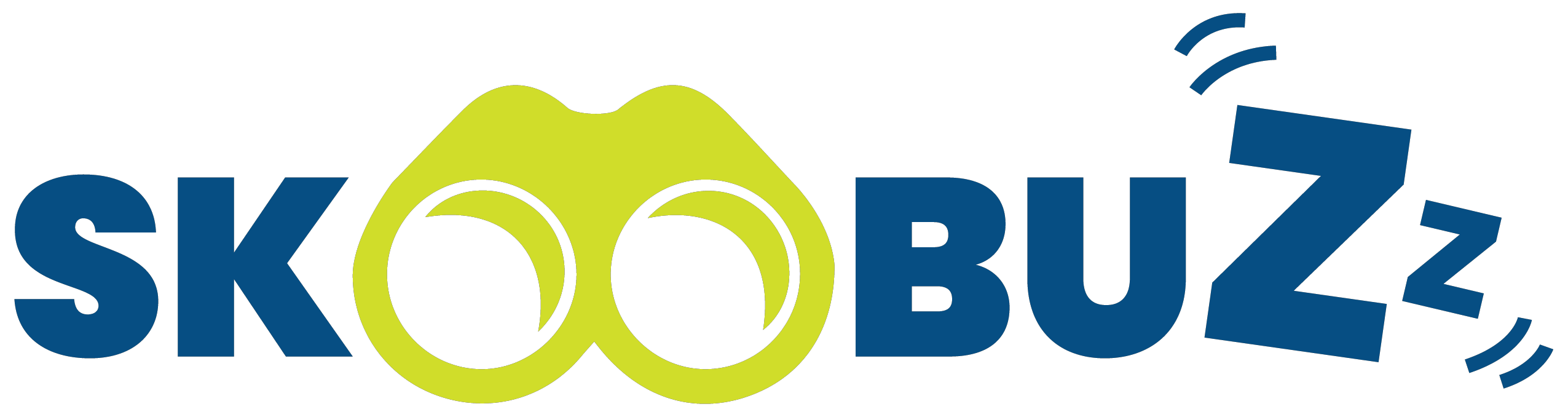
The Korean National Commission for UNESCO (KNCU) has launched a three-day international workshop in Seoul under its BRIDGE Programme, bringing together education practitioners from nine countries to exchange experiences and develop practical strategies for improving access to education.
The 2026 BRIDGE Workshop, being held at UNESCO House in Myeong-dong from September 15 to 17, has participants from Timor-Leste, Laos, Malawi, Sri Lanka, Jordan, Pakistan, Tanzania, Côte d’Ivoire and Zambia. Organised by KNCU with support from South Korea’s Ministry of Education, the workshop focuses on practical challenges faced by education and development workers and aims to strengthen cooperation across participating countries.
The BRIDGE Programme was launched in 2010 as an international education development cooperation initiative. It supports literacy, basic education and vocational training for out-of-school children and young people as well as adults who have limited or no literacy skills, particularly in sub-Saharan Africa and South Asia. Its objectives are aligned with the United Nations Sustainable Development Goals, particularly efforts to advance inclusive and quality education.
BRIDGE Workshop Takes Action-Oriented Approach
The Seoul workshop is designed around an “action over theory” approach, giving participants opportunities to discuss real-world challenges rather than relying solely on conventional lectures and presentations.
Peer-to-peer sessions are addressing areas such as project governance, stakeholder communication, data management and conflict resolution. These issues can have a direct impact on the implementation and sustainability of education development projects, particularly when programmes operate across different social, cultural and institutional environments.
The format allows participants to share experiences from their own countries and consider how other approaches could be adapted to their local contexts. By creating opportunities for practitioners to learn from one another, the workshop aims to strengthen problem-solving skills while encouraging longer-term professional networks among BRIDGE Programme participants.
This practical focus is also intended to help participants move from identifying challenges to developing concrete responses that can be implemented after the workshop.
Participants Develop Country-Specific Education Action Plans
A key part of the workshop involves participants developing action plans tailored to the education systems and needs of their respective countries. The plans are intended to turn lessons from the workshop into practical strategies that can support ongoing education initiatives. Participants are receiving guidance from Jeong Il-seon, who heads the Tanzania and Ethiopia office of international aid organisation Good Neighbors, and Ha Gi-uk, a senior consultant at Korea International Development Consulting firm KODAC.
Their support is helping participants assess challenges, identify possible solutions and structure action plans that are realistic for their respective settings. This country-specific approach recognises that education challenges vary considerably between communities and that strategies need to take local conditions, resources and learner needs into account.
The emphasis on locally relevant planning also supports the wider goal of building stronger ownership among education practitioners, rather than simply transferring models developed in another country.
Workshop to Highlight South Korea’s Informal Education Experience
The programme will also allow participants to examine education initiatives in South Korea through field visits. On September 17, participants will travel to Suwon, south of Seoul, where they are scheduled to visit the Suwon Sinjungnyeon Center, a non-formal education institution serving middle-aged and older adults.
They will also visit International Cyber University to learn about Korea’s approaches to informal education and discuss how elements of these practices could potentially be adapted to other education systems.
The visits are expected to complement the workshop’s discussions by demonstrating how learning opportunities can be created outside conventional formal education structures. This is particularly relevant to the BRIDGE Programme, which works with learners who may have limited access to traditional schooling or require alternative pathways to literacy and skills development.
Strengthening Education Cooperation Across Countries
The BRIDGE Workshop also reflects the growing importance of international peer learning and education cooperation. Bringing practitioners from different regions together can provide opportunities to compare approaches, identify shared challenges and explore solutions that can be adapted across different contexts.
For communities facing barriers to basic education, literacy and vocational training, effective programme implementation often requires more than educational content. Strong project management, reliable data, community engagement and effective communication can all influence whether programmes reach learners and deliver sustainable outcomes.
By focusing on these practical dimensions, the 2026 workshop aims to strengthen the capacity of practitioners involved in education development projects while expanding connections among participating countries.
BRIDGE Programme Supports Inclusive and Lifelong Learning
The BRIDGE Programme’s focus on literacy, basic education and vocational training addresses several barriers faced by children, young people and adults who remain outside formal education systems.
Improving foundational literacy can help learners access further education, employment opportunities and essential services, while vocational training can provide additional pathways towards economic participation. For adults and young people who have missed conventional schooling, flexible and non-formal education can be particularly important.
The Seoul workshop therefore forms part of a broader effort to strengthen education cooperation and develop approaches that can respond to the needs of underserved populations.
Building a Sustainable Peer-Support Network
KNCU Secretary-General Hong Hyun-ik said the workshop is expected to help participants establish a sustainable peer-support system and develop practical solutions to urgent education challenges in their respective countries.
The emphasis on peer support indicates that the workshop is intended to create benefits beyond the three-day event. Continued communication between practitioners could allow participants to share experiences, troubleshoot implementation challenges and exchange ideas as their projects develop.
For the BRIDGE Programme, strengthening these professional connections could help deepen cooperation between participating countries while supporting the long-term delivery of education initiatives.
Editor’s Note
The 2026 BRIDGE Workshop illustrates how international education cooperation is increasingly moving towards practical, locally informed solutions. Bringing practitioners from nine countries together allows the programme to draw on a wide range of experiences rather than treating literacy and education challenges as identical across regions. The focus on governance, data, communication and conflict resolution is particularly significant because successful education programmes depend not only on curriculum and teaching, but also on the systems that allow those programmes to reach learners effectively and remain sustainable.
The workshop’s combination of peer learning, country-specific action plans and exposure to South Korea’s non-formal education practices also gives the initiative a longer-term dimension. Rather than positioning participants simply as recipients of knowledge, the programme encourages them to contribute their own experiences and develop solutions suited to their national contexts. The real measure of its impact will be whether these plans translate into stronger education programmes on the ground, but creating a continuing network among practitioners provides an important foundation for that process.
Frequently Asked Questions
1. What is the BRIDGE Programme?
The BRIDGE Programme is an international education development cooperation initiative launched by the Korean National Commission for UNESCO in 2010. It supports literacy, basic education and vocational training.
2. Which countries are participating in the 2026 BRIDGE Workshop?
Participants are from Timor-Leste, Laos, Malawi, Sri Lanka, Jordan, Pakistan, Tanzania, Côte d’Ivoire and Zambia.
3. Where is the 2026 BRIDGE Workshop being held?
The workshop is being held at UNESCO House in Myeong-dong, Seoul.
4. How long will the BRIDGE Workshop run?
The 2026 BRIDGE Workshop is taking place over three days, from September 15 to 17, 2026.
5. What topics are being discussed at the workshop?
Sessions cover practical issues including project governance, stakeholder communication, data management and conflict resolution.
6. Who is organising the workshop?
The workshop is organised by the Korean National Commission for UNESCO (KNCU) with support from South Korea’s Ministry of Education.
7. Who does the BRIDGE Programme support?
The programme supports out-of-school children and young people and adults with limited or no literacy skills, particularly in sub-Saharan Africa and South Asia.
8. What will participants see during the Suwon visit?
Participants will visit the Suwon Sinjungnyeon Center and International Cyber University to learn about South Korea’s approaches to non-formal and informal education.
9. Why are participants developing action plans?
The action plans are designed to help practitioners apply lessons from the workshop to the specific needs and circumstances of their respective education systems.
10. What is the broader objective of the BRIDGE Programme?
The programme aims to strengthen access to literacy, basic education and vocational learning, while supporting international cooperation and progress towards inclusive and quality education.

Skoobuzz

 Skoobuzz
 Skoobuzz
 Skoobuzz
 Skoobuzz

0 Comments (Please Login To Continue)