






Northern Ireland Pupils’ Reading and Maths Scores Decline Over Past Decade
Pisa results raise concerns over educational inequality and system pressures
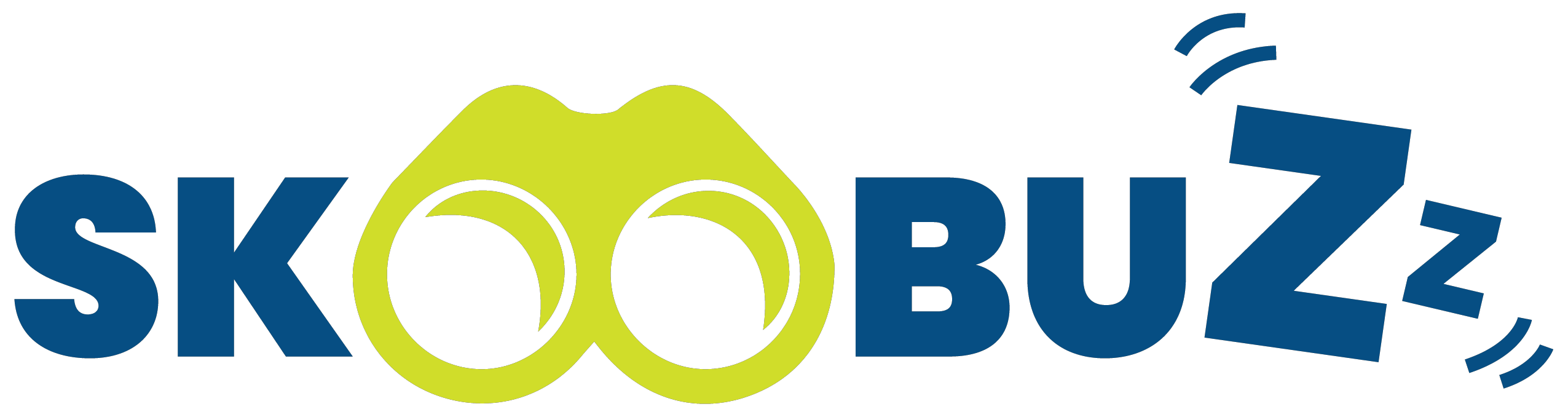
Northern Ireland’s performance in reading and mathematics has declined over the past decade, while its 15-year-olds continue to perform strongly in science, according to the latest international education assessment. Education Minister Paul Givan described the findings as a “wake-up call”, warning that Northern Ireland should not mistake its relatively strong international position for sufficient progress.
The results come from the Programme for International Student Assessment (Pisa), a major international study conducted every three years by the Organisation for Economic Co-operation and Development (OECD). Around 750,000 15-year-olds across 91 countries took part in the latest assessment. In Northern Ireland, almost 3,500 pupils from 104 schools completed computer-based tests in September and October 2025.
The assessment measures students’ knowledge and skills in science, reading and mathematics, while also gathering information about their learning experiences and study habits.
Northern Ireland Performs Strongly in Science
Science was the strongest area for Northern Ireland in the latest Pisa assessment. Pupils achieved an average science score of 492, placing Northern Ireland comfortably within the top third of participating countries.
Importantly, the 2025 science result was not significantly different from Northern Ireland’s score in 2015, suggesting that performance in the subject has remained relatively stable over the decade. However, the picture is less positive in reading and mathematics.
Northern Ireland’s average reading score fell to 482 in 2025, compared with 497 in 2015. The average mathematics score was 473, also below the level recorded a decade earlier. Although both scores remained higher than those achieved in many participating countries, the downward trend has raised concerns about the longer-term direction of pupil achievement.
Gender and Family Income Influence Results
The latest results also highlight differences in educational outcomes among pupils. Girls in Northern Ireland performed considerably better than boys in reading. However, the performance gap was much smaller in science and mathematics, where boys and girls achieved broadly similar results.
Family income also continues to play a significant role. The Pisa findings indicate a clear relationship between socioeconomic background and educational performance, with pupils from more financially advantaged families generally achieving stronger results. This highlights the continuing challenge of closing attainment gaps between disadvantaged pupils and their peers.
Students Point to Social Media and Exam Pressure
The decline in reading performance is also being discussed by pupils themselves. BBC News NI spoke to students at Malone Integrated College in Belfast, where many pupils said they did not regularly read for pleasure. Some students identified social media and the increasing use of smartphones as factors that could be affecting teenagers’ reading habits.
One 16-year-old student suggested that many young people are either less interested in reading or are too absorbed in their phones. Another student, Sofia, pointed to pressure within the education system, arguing that schools could do more to encourage reading from primary through secondary education.
She said the emphasis on completing examinations can leave less space for developing a sustained interest in reading. The students’ experiences provide a perspective on the wider Pisa findings, particularly as reading habits increasingly compete with digital entertainment and other demands on teenagers’ time.
Science Remains Popular Among Pupils
Despite the concerns surrounding reading and mathematics, students at Malone Integrated College also described science as an engaging area of study. Fifteen-year-old Qanit, who studies Biology, Physics and Chemistry for GCSE, said Physics was his favourite subject.
Another student, Ethan, identified Chemistry as his preferred subject. Their enthusiasm reflects the relatively strong science performance shown in the Pisa results and suggests that engagement with STEM subjects remains an important strength within Northern Ireland’s education system.
How Does Northern Ireland Compare Internationally?
Northern Ireland’s Pisa results remain comparatively strong when measured against several other education systems in the UK. Its average scores were well above Wales, broadly similar to Scotland, but below England.
Students in the Republic of Ireland performed better than their Northern Irish counterparts in all three areas, recording higher average scores in reading, science and mathematics. The highest-performing education systems were predominantly in Asia, including Singapore, China, Taiwan and Japan. However, Northern Ireland’s results need to be considered alongside a broader international trend. The latest Pisa assessment points to a significant global decline in teenagers’ reading performance.
AI Is Becoming Part of How Students Learn
The Pisa findings also provide insight into how technology is changing students’ learning habits. Across the 91 participating countries, 46% of students said they used AI chatbots weekly or more frequently for learning.
At the same time, 28% reported that some fellow students were distracted by digital devices during lessons. The findings underline the increasingly complicated role of technology in education. AI tools can provide students with additional learning support, but widespread digital use can also create distractions and raise questions about how schools should establish responsible approaches to technology.
For education systems already dealing with declining reading performance, ensuring that digital tools support rather than undermine learning is likely to become increasingly important.
Education Minister Calls Results a ‘Wake-Up Call’
Northern Ireland Education Minister Paul Givan described the Pisa results as a “wake-up call”. He acknowledged that Northern Ireland remains a strong-performing education system internationally but cautioned against interpreting that position as evidence that further progress is unnecessary.
Givan said education systems around the world are experiencing significant challenges and argued that Northern Ireland is not immune to those pressures. He also said the findings reinforced the importance of reforms that have already been introduced within the education system.
Teachers’ Leaders Warn of Funding and Inequality Pressures
The National Secretary of NAHT Northern Ireland, Dr Graham Gault, said the results were generally positive but warned that persistent inequalities and financial pressures facing schools could not be overlooked. He pointed to declining performance in some areas and continued attainment gaps between disadvantaged pupils and their peers.
According to Gault, schools are also facing increasing demands alongside concerns about pupil wellbeing. He argued that maintaining high educational standards becomes increasingly difficult when schools are expected to deliver more while operating with fewer resources. The comments place the Pisa results within a wider debate about school funding, teacher workload, pupil wellbeing and the resources available to address educational inequality.
What Do Northern Ireland’s Pisa Results Mean?
The latest results present a mixed picture. Northern Ireland continues to demonstrate international strength in science, while reading and mathematics remain comparatively strong against many countries despite significant declines over the past decade.
The challenge now is to determine why performance has weakened in key areas and which interventions can reverse that trend. The findings also suggest that improving educational outcomes cannot be separated from wider social and economic conditions. Differences linked to family income indicate that schools alone may not be able to eliminate attainment gaps without broader support for disadvantaged children and families.
At the same time, the growing influence of social media, digital devices and AI means that education systems must rethink how traditional skills such as reading fit into an increasingly digital learning environment.
Editor’s Note
Northern Ireland’s latest Pisa results should be read as neither a success story nor a crisis in isolation. They reveal an education system with clear strengths but equally clear warning signs.
The stability of science performance is encouraging, particularly when considered against the disruption and structural challenges experienced by education systems internationally. Yet the decline in reading and mathematics over a decade deserves serious attention. Being ahead of many other countries does not necessarily mean that an education system is moving in the right direction.
The socioeconomic dimension is particularly important. If family income continues to be strongly associated with educational outcomes, improving national averages alone will not address the underlying inequality. Policymakers must look beyond classroom performance to the conditions in which children live and learn.
There is also a changing technological landscape to consider. Students are increasingly surrounded by smartphones, social media and AI tools. These technologies can support learning, but they can also compete directly with sustained attention, reading and independent thinking. The challenge for schools is not simply to restrict technology, but to teach students how to use it purposefully.
Ultimately, the Pisa findings offer Northern Ireland an opportunity to examine what is working, where progress has stalled and which pupils are being left behind. The most meaningful response will be one that combines strong teaching, targeted support for disadvantaged learners, adequate school funding and a thoughtful approach to technology.
Frequently Asked Questions
1. What is Pisa?
The Programme for International Student Assessment (Pisa) is an international assessment conducted by the OECD every three years. It measures the knowledge and skills of 15-year-old students in reading, mathematics and science.
2. How did Northern Ireland perform in the latest Pisa tests?
Northern Ireland recorded an average score of 492 in science, 482 in reading and 473 in mathematics.
3. Have Northern Ireland’s Pisa scores declined?
Reading and mathematics scores have fallen compared with 2015. Reading declined from 497 to 482, while mathematics also recorded a lower result than a decade ago. Science performance remained broadly stable.
4. Which subject did Northern Ireland perform best in?
Science was the strongest-performing subject, with an average score of 492.
5. How does Northern Ireland compare with other UK countries?
Northern Ireland performed above Wales, was broadly similar to Scotland and remained behind England in the latest assessment.
6. How did Ireland perform?
Students in the Republic of Ireland achieved higher average scores than Northern Ireland in reading, science and mathematics.
7. What factors affect pupil performance?
The Pisa results show a strong relationship between family income and educational outcomes, with pupils from more advantaged backgrounds generally achieving higher scores.
8. Are students using AI for education?
Yes. Across participating countries, 46% of students reported using AI chatbots weekly or more often for learning.

Skoobuzz

 Skoobuzz
 Skoobuzz
 Skoobuzz
 Skoobuzz


0 Comments (Please Login To Continue)